Additional information
| Weight | 0.192 kg |
|---|---|
| Dimensions | 25.4 × 25 × 0.3 cm |

₹355.00
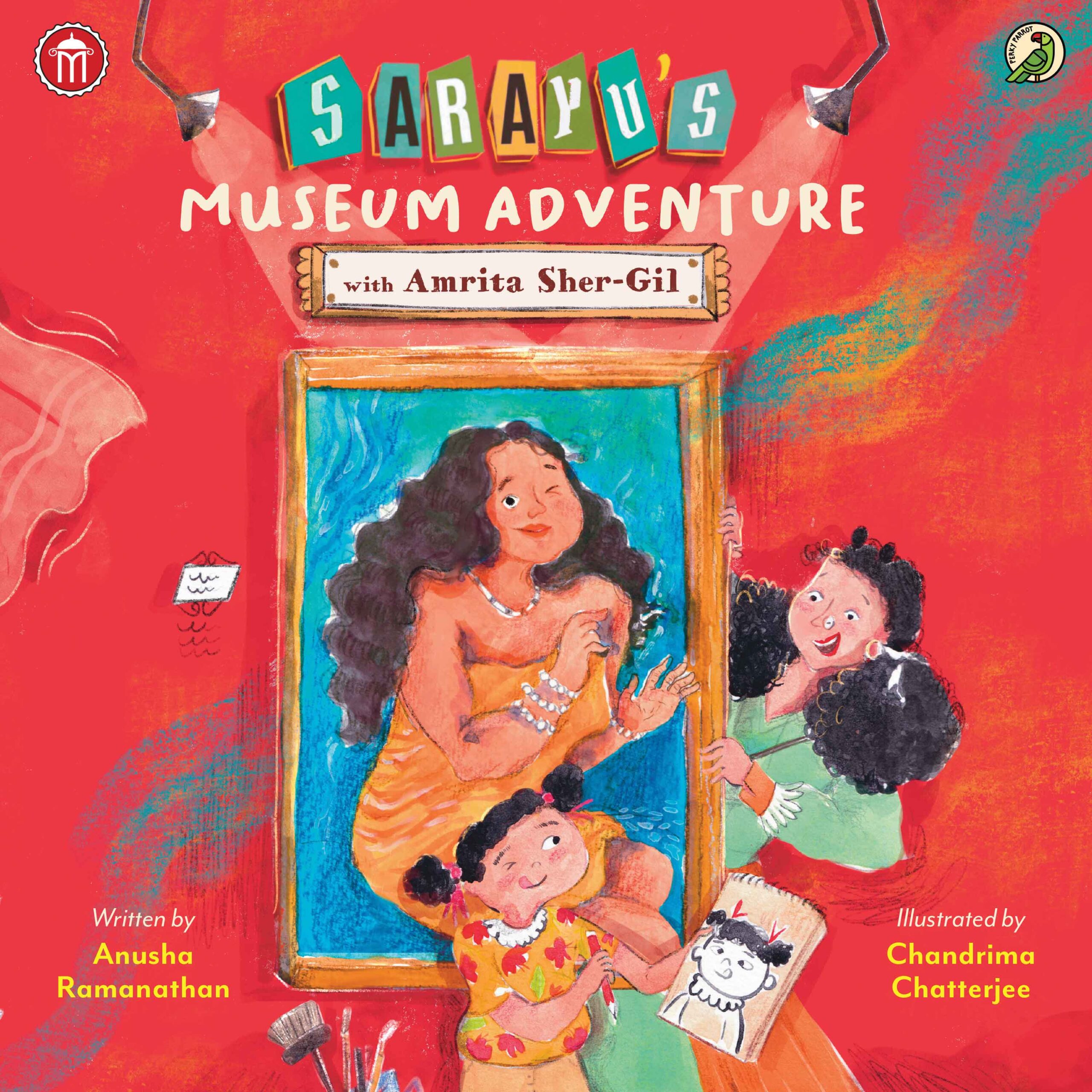
Sarayu’s Museum Adventure follows a young girl, Sarayu, who has been given an interesting assignment at school: she must create a self-portrait. Curious about how artists portray themselves, Sarayu sets off to a museum with her mother in search of inspiration.
At the museum, Sarayu encounters the remarkable paintings of Amrita Sher-Gil—one of the most celebrated artists of modern Indian art. As Sarayu walks through the galleries, she observes Sher-Gil’s self-portraits and paintings of everyday life. Each artwork opens a window into how the artist saw herself and the world around her.
Through this encounter with art, Sarayu begins to think more deeply about what it means to represent oneself on paper. Is a self-portrait only about how we look, or does it also reveal how we feel, what we think, and how we see the world?
Blending storytelling with art appreciation, the book gently introduces young readers to one of India’s most important painters while encouraging them to reflect on identity, creativity, and observation. It transforms a simple museum visit into a lively and thoughtful exploration of art and self-expression.
This picture book opens the doors of a museum to young readers and shows them that art can be both exciting and personal. Through Sarayu’s curious eyes, children see that paintings are not distant objects on a wall but stories, emotions, and ideas captured in colour and form.
By encountering the works of Amrita Sher-Gil, children are introduced to an important figure in Indian art in a way that feels natural and engaging. The story helps them understand that artists often paint what they see around them—and sometimes even themselves.
Most importantly, the book encourages children to think about their own identity. As Sarayu wonders how she should draw herself, readers are invited to ask the same question: How would I represent myself?
Through this simple but thoughtful premise, the book nurtures curiosity, creativity, and an early appreciation for art and museums.
Introduction to Indian art and artists
Children encounter the works and legacy of Amrita Sher-Gil, gaining early familiarity with an important figure in modern art.
Developing aesthetic appreciation
The story helps children notice colours, expressions, and scenes within paintings, encouraging them to observe artworks more carefully.
Self-reflection and identity
The theme of the self-portrait prompts children to think about who they are and how they might express themselves visually.
Art as storytelling
Children learn that paintings often depict everyday life and emotions, making art relatable and meaningful.
Curiosity about museums and culture
The narrative presents museums as welcoming spaces of discovery, encouraging children to see them as places where stories, history, and creativity come together.
1. Introduce children to museums
Use the book to discuss what museums are and why artworks are displayed there. Parents and educators can connect the story to real or virtual museum visits.
2. Self-portrait activity
After reading the story, encourage children to create their own self-portraits. Ask them to think about whether they want to show only their appearance or also include things they love, feel, or enjoy.
3. Art observation exercises
Show children reproductions of paintings by Amrita Sher-Gil and ask simple questions: What colours do you notice? What might the person in the painting be thinking or feeling?
4. Encourage storytelling through art
Children can imagine stories about the people in the paintings Sarayu sees, helping them connect visual art with narrative thinking.
5. Classroom discussions about identity
Teachers can use the story to discuss how everyone sees themselves differently and how art can be a way of expressing individuality.
6. Creative museum corners in libraries or classrooms
Librarians and educators can create a small “museum wall” where children display their own artwork and self-portraits, turning the reading experience into an interactive activity.

| Weight | 0.192 kg |
|---|---|
| Dimensions | 25.4 × 25 × 0.3 cm |

Sign up and get notified with new article for free!


Reviews
There are no reviews yet.